
Psychedelics saved my life. That isn't hyperbole.
This is the lived experience behind Sozo and the reason the work exists at all.
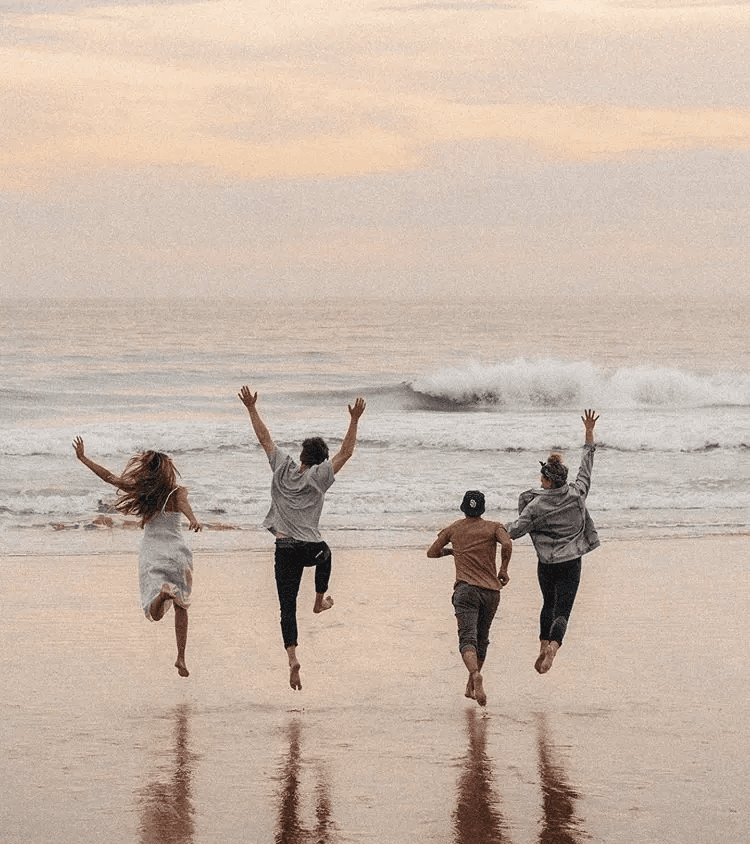
Years ago, a group of friends and I turned to psychedelics because we were trying to get better. None of us were perfect. Many of us carried serious struggles, shame, trauma, addiction, or mental illness. What made the difference wasn't just the compounds themselves. It was having people who would support one another, speak honestly without judgment, have each other's backs, and keep showing up.
For several of us, psychedelics truly saved our lives.
I was one of those people.
I'm a survivor of sexual assault. I was diagnosed with Cluster B personality disorders and developed an eating disorder that nearly killed me. I was hospitalized and told there was no cure-only management. Even with years of therapy, the best outcome I could realistically expect was slow improvement over 15 or 20 years.
My experience with psychedelics was unlike anything else I had ever tried. They lowered my defenses, bypassed the stories I had learned to tell myself, and allowed me to confront things that years of talk therapy never reached.
Within four months, my eating disorder was gone.
A year later, I could sit and eat with other people again-something I believed I would never deserve or be capable of doing. I went from barely functioning to living a life I never thought was possible.
I knew I couldn't keep that experience to myself.
Alongside my friend Ben, I began helping others through facilitated psychedelic experiences, hoping to provide the same opportunity that had changed my life. Over the years we worked with people struggling with alcoholism, addiction, personality disorders, overwhelming shame, grief, trauma, identity, meaning, and purpose.
We saw remarkable transformations.
We watched people leave behind alcohol, heroin, opioids, methamphetamine, cocaine, nicotine, and other destructive patterns. We worked with people from every walk of life-from successful Hollywood professionals to people experiencing homelessness, from millionaires to those with almost nothing.
Then the laws changed.
Operating legally became prohibitively expensive. We had always charged far below what the work actually cost, and between 15% and 20% of our sessions were completely free. This was never our full-time career. It was something we believed in.
As regulations evolved, legal psychedelic services became increasingly inaccessible, with prices often ranging from thousands of dollars per session.
We couldn't accept that.
We didn't believe healing should become something only wealthy people could afford.
At the same time, I spent a year and a half running a call-in support program for people with personality disorders. I learned firsthand how shame isolates people and how stigma convinces them to hide the very things they most need help with.
Ben and I often encouraged people to attend AA because we believed they needed community, accountability, humility, and connection. Many people found value there, but many others told us it didn't quite fit. They wanted something broader than addiction recovery alone. They were looking for healing, growth, purpose, relationships, identity, and meaning.
Something was missing.
The psychedelic experience had often opened the door, but people still needed education, community, integration, and ongoing support afterward.
We watched access slowly disappear.
People who could have benefited simply no longer had the opportunity we had.
That's why we created Sozo.
Sozo brings together everything we learned-from our own experiences, from the people we helped, and from the communities that supported us. We combined those lessons with the proven strengths of the AA model while giving people the opportunity to explore these compounds safely, responsibly, and legally where permitted.
Our goal isn't simply to help people have one experience.
It's to help them build an ongoing practice of healing, reflection, community, accountability, and personal growth.
We want people to avoid the mistakes we made and the mistakes we watched others make. We want them to have better education, better preparation, better integration, and people who genuinely care about their success.
One of AA's founders, Bill Wilson, believed psychedelics could help reach some of the people traditional recovery could not. Through his correspondence with Carl Jung, he came to believe these experiences could become a meaningful complement for those who remained stuck.
That belief resonates with our own experience.
This wasn't a one-time event for us. Healing was a process. It required repeated reflection, practice, community, and continued growth.
Everyone deserves access to that opportunity-not just those who can afford thousands of dollars for treatment.
Our hope is simple.
To prove that communities can responsibly support one another.
To make education and harm reduction widely available.
To help people heal together.
To create a model that can grow beyond Colorado and eventually help communities across the country.
This is the community we wish we'd had.
Now we're building it for everyone else.
We hope you'll join us.